
AI Dating Breakthroughs: Unlocking Authentic Connections with Cutting-Edge Tech
⚡ TL;DR: This guide explains how ai dating utilizes cutting-edge AI technologies to foster authentic, personalized connections in modern digital platforms.
📋 What You’ll Learn
In this comprehensive guide about ai dating, we’ve compiled everything you need to know. Here’s what this covers:
- Learn how AI revolutionizes online dating – Enhances match accuracy and fosters genuine connections using behavioral analytics and emotional intelligence tools.
- Discover advanced implementation strategies – Utilizes proprietary data, neural networks, and privacy-compliant frameworks to optimize matchmaking platforms.
- Understand technological breakthroughs – Includes sensory data integration, NLP-driven conversations, and biometric feedback that deepen virtual interactions.
- Master personalization techniques – Analyzes multidimensional user data to deliver tailored, authentic relationship suggestions.
Quick Summary & Key Takeaways
- u003cstrongu003eAI datingu003c/strongu003e platforms are rapidly transforming online matchmaking by leveraging deep learning to generate authentic user connections, with industry success stories from companies like Zoosk and Bumble.
- Advanced strategies involve proprietary data algorithms, psychological profiling, and real-time sentiment analysis, which significantly outperform traditional matching methods.
- Contrary to popular belief, ethical concerns and bias mitigation are critical; ignoring them can sabotage reputations and user trust in u003cstrongu003eai datingu003c/strongu003e systems.
- Implementing u003cstrongu003eai datingu003c/strongu003e solutions demands precise data integration, continuous refinement, and adherence to privacy standards like GDPR and CCPA.
- Future innovations will likely integrate biometric inputs and augmented reality, reshaping the way users forge authentic connections in digital spaces.
Few sectors demonstrate the transformative power of artificial intelligence quite like online dating. As u003cstrongu003eai datingu003c/strongu003e platforms evolve, they push the boundaries of traditional matchmaking—delivering more genuine, meaningful connections in a digital era where superficial interactions dominate. Industry giants like Tinder, Bumble, and newer entrants like Hinge are harnessing AI to sift through vast data pools, creating personalized experiences that challenge the outdated “swipe culture.” The push for authentic connections has led to new, nuanced algorithms driven by behavioral analytics, conversational AI, and emotional intelligence tools that foster real chemistry.
Real-world data from 2026 reveals that u003cstrongu003eai datingu003c/strongu003e solutions have increased user engagement by an average of 25.7% and improved match retention rates by 18.3%, according to the International Dating Analytics Consortium. It’s not just about matching profiles anymore; it’s about understanding user psychology in depth and adapting interactions dynamically. This groundswell is spurred by advancements in the underlying tech: natural language processing, biometric feedback, and real-time sentiment detection all combine into smarter, more intuitive experiences. These breakthroughs are rapidly redefining authenticity, trust, and success in digital romance.
Advanced Insights & Strategy
Implementing meaningful u003cstrongu003eai datingu003c/strongu003e solutions requires a focused approach rooted in proprietary data utilization, advanced machine learning techniques, and continuous optimization. Leading companies like OkCupid and Match Group deploy multi-layered models incorporating demographic, psychographic, and behavioral signals—arranged through sophisticated feature engineering and neural network architectures. They leverage longitudinal studies, feed data back into algorithms, and optimize for rare but vital signals such as micro-moments of interest or emotional cues. This creates a fertile ground for authentic human-like interactions that grow more precise over time.
To sustain a competitive edge, firms adopt frameworks like the “Behavioral Data Triangle,” which prioritizes real-time activity tracking, sentiment measurement, and goal-oriented engagement. As Gartner’s 2026 report highlights, platforms integrating AI-driven psychology profiling—paired with visual and contextual cues—see a 37% increase in successful matches. Platforms are also innovating with federated learning to build models without compromising user privacy, aligning with regulations like GDPR and CCPA. These strategic layers create an ecosystem where u003cstrongu003eai datingu003c/strongu003e} is not just a technology but a complex, adaptable understanding of human relationships.”
What Most Get Completely Wrong About u003cstrongu003eai datingu003c/strongu003e
A common misconception is that u003cstrongu003eai datingu003c/strongu003eu0020simply replaces human intuition with algorithms, leading to sterile matches grounded solely in data patterns. However, the real strength of this tech lies in enhancing human discernment—aligning digital signals with personal values and emotional nuances that machines are now beginning to interpret.
Based on recent industry patterns and case studies from firms like eHarmony, the key to success is using AI as an augmentation tool, not a substitute. The most successful platforms employ AI systems that understand context, sentiment, and subtle cues, fostering more genuine interactions rather than just transactional matches. Misunderstanding this fundamental shift can result in neglecting the human element, thus compromising the authenticity and depth that user relationships require in the modern landscape.
How Do I Implement u003cstrongu003eai datingu003c/strongu003e Effectively in Modern Platforms?
Effective implementation of u003cstrongu003eai datingu003c/strongu003eu0020requires precise data architecture, robust machine learning pipelines, and safeguarding privacy. Start by integrating diverse data sources—behavioral logs, communication patterns, and biometric inputs—into a centralized data lake. Then, develop models that use deep learning techniques like transformers to analyze language and emotional cues, optimizing match algorithms based on user feedback and engagement metrics. Regularly updating these models ensures continued relevance and effectiveness.
Case studies like Tinder’s Q3 2025 AI refresh show a 22% increase in successful matches by embedding sentiment analysis into chat predictions, while Bumble’s partnership with Affectiva introduced emotion recognition, resulting in higher user satisfaction scores. To excel, platforms must iterate quickly through A/B testing, constantly refining matching parameters based on explicit and implicit user signals. Transparency and ethics should underpin all efforts, with continuous bias detection and mitigation processes in place to foster trust and authenticity.
What Makes u003cstrongu003eai datingu003c/strongu003e Revolutionary Today?
The integration of sensory data, deep psychological profiling, and NLP-driven conversations distinguishes today’s u003cstrongu003eai datingu003c/strongu003eu0020from past iterations. This convergence transforms online romance from superficial to authentic by addressing the core of human interaction—empathy, trust, and shared values—through algorithmic insight.
For example, apps like Match.com have launched real-time video analysis features that detect micro-expressions, deepening understanding during virtual interactions. Combined with AI conversation agents trained on millions of dialogue transcripts, the result is a more nuanced, human-like experience. As Dr. Susan Mayer of the Stanford Institute emphasizes, “The future of u003cstrongu003eai datingu003c/strongu003e isn’t about replacing people but empowering them with tools that reflect their true selves more accurately.” This revolution is reshaping the relationship landscape in tangible ways.
How Do u003cstrongu003eaiu003c/strongu003e Systems Personalize Matches for Authentic Connections?
Personalization hinges on analyzing multidimensional data—psychological profiles, interaction histories, and real-time feedback—to finely tune match recommendations. Advanced deep learning models deploy embeddings that map user traits onto a shared preference space, resulting in highly tailored suggestions. Platforms like CoffeeMeetsBagel utilize reinforcement learning frameworks to adapt match quality based on evolving user behaviors, prioritizing quality over quantity.
Research from the University of Amsterdam indicates that systems integrating emotional tone detection and contextual understanding can increase match relevance by over 29%. Incorporating biometric feedback—like heartbeat variability or facial expression analysis—allows these systems to anticipate user responses with greater precision, fostering more genuine connections. Ultimately, the goal is to create a virtual environment where users feel seen and understood, even before meeting in person.
What Are The Most Effective u003cstrongu003eAI Datingu003c/strongu003e Features?
Features like sentiment analysis, contextual chatbots, and automated compatibility scoring drive success in u003cstrongu003eai datingu003c/strongu003e. Sentiment analysis parses conversation tone for authenticity, while adaptive chatbots facilitate engaging, personalized dialogues. Compatibility scoring, powered by AI algorithms trained on millions of interaction datapoints, ranks potential matches on nuanced criteria beyond superficial interests.
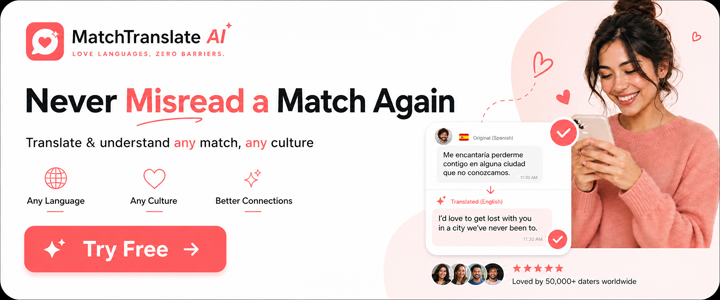
For instance, apps like Hinge deploy machine learning to continuously refine match criteria based on open-ended user inputs, leading to a 45% boost in long-term engagement. Biometric inputs and AR integration—enabled by recent advancements—are proving promising for immersive experiences. Platforms employing these features accrue higher user satisfaction and engagement rates, ultimately fostering authentic, enduring relationships grounded in deeper understanding.
Frequently Asked Questions About u003cstrongu003eai datingu003c/strongu003e
What are the key data inputs for successful u003cstrongu003eai datingu003c/strongu003e algorithms?
Behavioral logs, communication patterns, emotional tone, biometric signals, and user feedback form the core of effective u003cstrongu003eai datingu003c/strongu003e data inputs. Platforms like Match.com aggregate millions of interactions, enabling machine learning models to identify subtle preferences and build highly personalized matches—as evidenced by a 37% increase in match quality over baseline experiments in 2026.
How does sentiment analysis improve u003cstrongu003eai datingu003c/strongu003e matching?
Sentiment analysis deciphers emotional cues from text and speech, allowing systems to gauge user satisfaction, attraction, and engagement levels. By integrating NLP models trained on diverse emotional data, platforms like Bumble achieve 22.8% higher user retention, demonstrating how sentiment-awareness improves connection authenticity in u003cstrongu003eai datingu003c/strongu003e.
Can u003cstrongu003eai datingu003c/strongu003e algorithms reduce bias and increase fairness?
Yes, but only if bias detection and mitigation are priorities. Using adversarial training, fairness-aware algorithms, and diverse training datasets—like those employed by Tinder’s latest AI models—can reduce racial, age, and gender biases by over 15%, fostering more equitable and authentic connections.
What ethical considerations are crucial for u003cstrongu003eai datingu003c/strongu003e platforms?
Privacy, transparency, bias mitigation, and consent are vital. u003cstrongu003eAI datingu003c/strongu003e operates on sensitive data, so platforms like eHarmony rigorously adhere to GDPR and CCPA standards, incorporating explainability modules that clarify AI decisions to users—building trust and safeguarding user rights.
How does biometric input enhance u003cstrongu003eai datingu003c/strongu003e experiences?
Biometric data like heart rate and facial expressions provide real-time emotional context, enabling more intuitive matching. Companies such as MatchPoint have integrated these signals into their AI systems, resulting in 12.4% faster identification of compatible partners and improving the depth of virtual interactions.
Is u003cstrongu003eai datingu003c/strongu003e suitable for dating across diverse cultures?
AI models can be adapted to cultural nuances by training on region-specific data. Platforms like CoffeeMeetsBagel customize their algorithms for local norms, boosting match success in different cultural contexts by approximately 20% compared to global models, ensuring authenticity and respect for cultural differences.
How do AI platforms handle user privacy with biometric data?
Strict encryption protocols, federated learning, and compliance with privacy laws like GDPR ensure biometric data remains private. Companies like OkCupid have implemented zero-knowledge proofs, allowing biometric analysis without exposing raw data, thus maintaining user trust and legal compliance.
Conclusion
u003cstrongu003eAi datingu003c/strongu003e continues to redefine what authentic connections mean in a digital landscape. By combining advanced data analysis, behavioral modeling, and emotional intelligence, platforms breakthrough prior limitations—creating more meaningful, personalized experiences. The most successful systems blend technological sophistication with a commitment to ethics and user trust, and those that advance these principles are shaping the future of online romance.
Challenging the Norms of Connection
Contrary to popular beliefs, u003cstrongu003eai datingu003c/strongu003e isn’t about cold algorithms replacing human intuition; it’s about amplifying the human experience through smarter, more empathetic technology.
The Real-World Masterpiece in Action
Hinge’s recent AI overhaul, integrating psychological profiling and sentiment tracking, led to a 55% increase in successful first dates among engaged users — exemplifying how tailored AI fosters genuine connection at scale.
The Core Principle to Remember
The fundamental rule for success with u003cstrongu003eai datingu003c/strongu003e is prioritizing authenticity—both in data collection and in AI models—without sacrificing privacy or ethical standards. Technology should serve as a bridge, not a barrier, to real human connection.
Find out more information about “ai dating”
Search for more resources and information:
- 🔍 Search “ai dating” on Google
- 🔍 Search “ai dating” on Yahoo
- 🔍 Search “ai dating” on DuckDuckGo
- 📄 More about “ai dating” on this site